
Arome Science presented recent work on quantitative metabolomics in microbiome research at the Keystone Symposia conference “Microbiome Metabolism and Metabolites: Discovery and Function in Health and Disease” (Banff, Canada, January 19–22, 2026).
The presentation by Alexey Melnik, “Quantitative Metabolomics in Microbiome Research,” focused on challenges commonly encountered in gut health testing, including low patient compliance with traditional collection methods, limited functional metabolic markers, and difficulties in translating results into actionable recommendations.
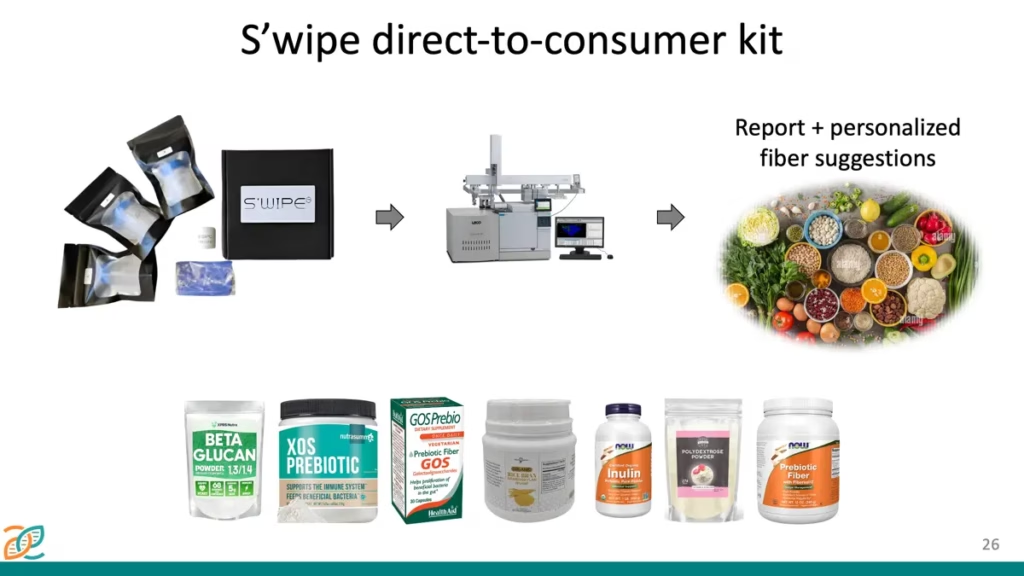
We shared data from a 500-participant study conducted at the University of Connecticut evaluating the S’Wipe collection approach, a simple, room-temperature stable method designed to facilitate sample collection and handling. The presentation covered quantitative analysis of short-chain fatty acids (SCFAs) and bile acids, key metabolites linking gut microbiome activity to chronic disease.
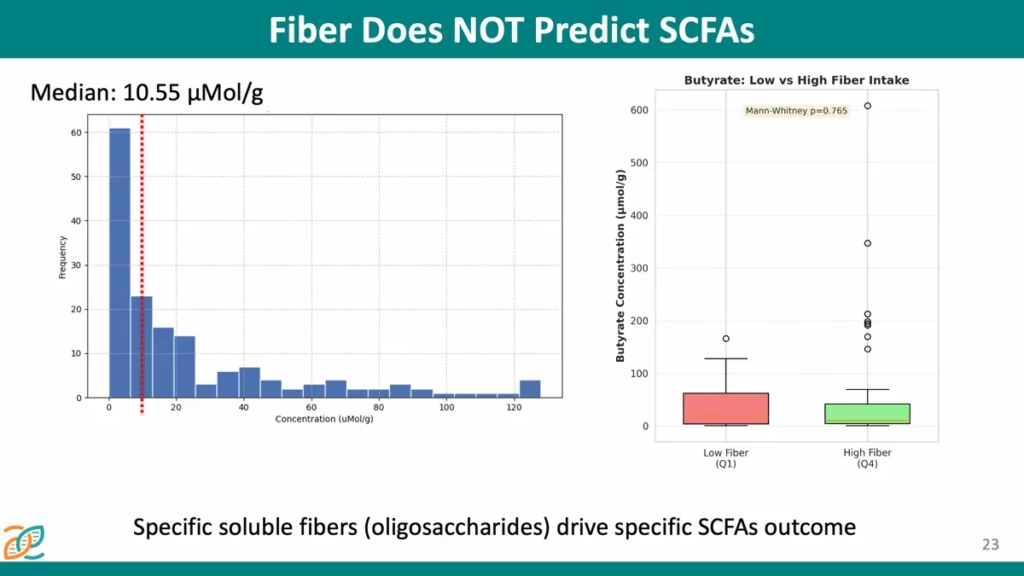
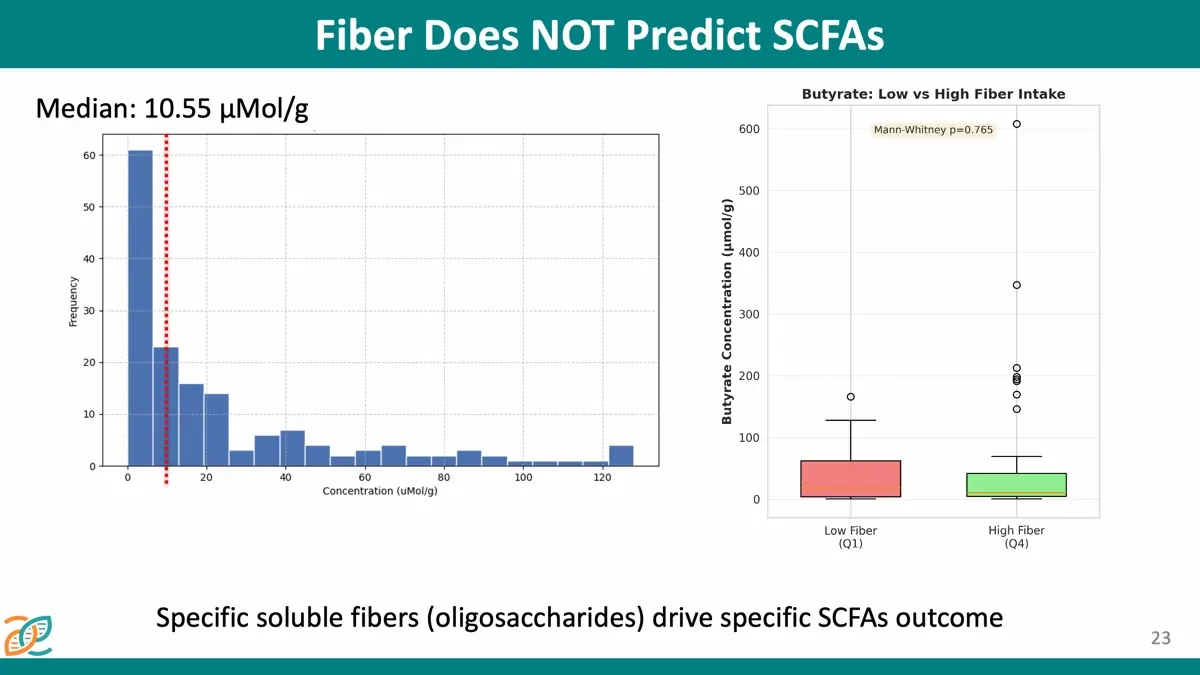
A key finding presented was that total dietary fiber intake did not correlate with, and did not predict, SCFA levels within the study cohort. This challenges the conventional approach of broadly recommending increased fiber intake and supports the use of personalized fiber recommendations.
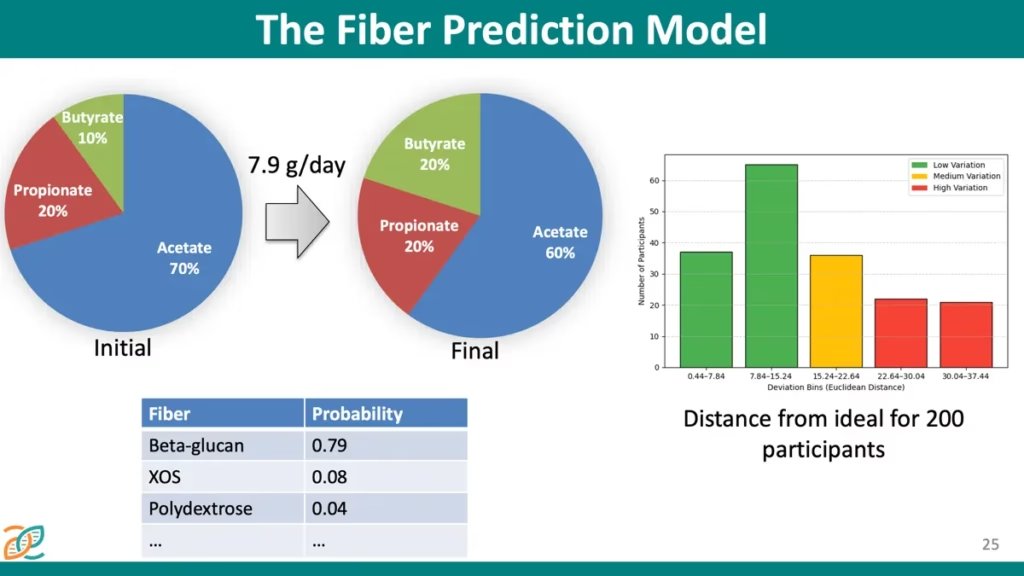
We described a model that prioritizes specific soluble fibers (beta-glucan, XOS, inulin, etc.) based on individual SCFA profiles. Early evidence suggests measurable improvements when participants follow these tailored recommendations rather than generic fiber advice.
This work contributes to ongoing efforts to develop more accessible, quantitative, and biologically actionable approaches to gut health assessment.
