
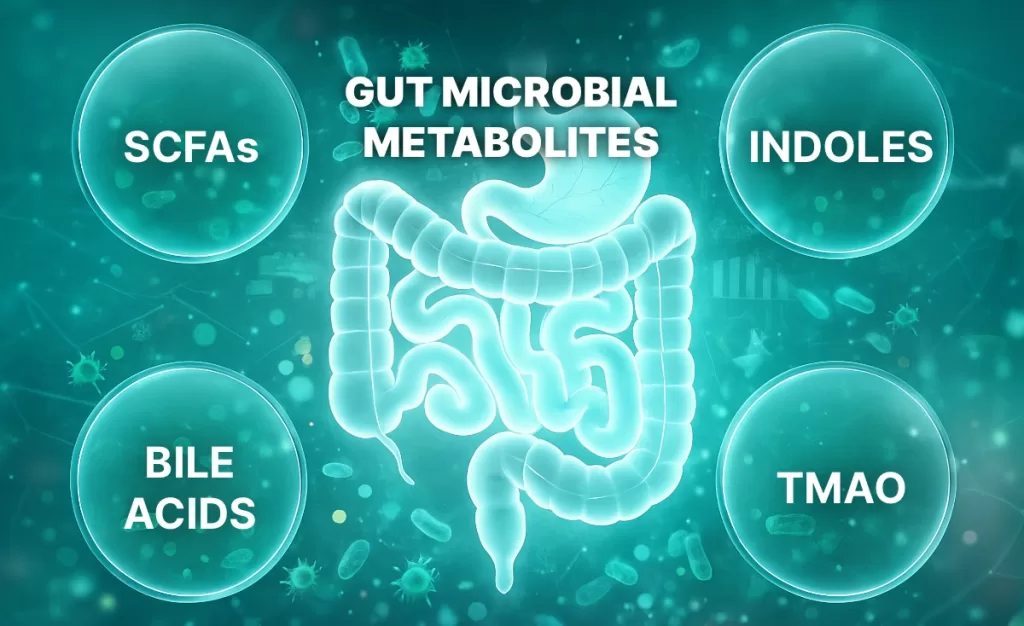
The gut microbial metabolites produced by the gut microbiome shape immunity, metabolism, and mental health. If you’re new to the term, what are metabolites is a quick primer. While short-chain fatty acids (SCFAs) like butyrate get most of the attention, other gut microbiome metabolites are also crucially important. Microbial metabolites play roles in chronic diseases like IBD, cardiovascular issues, and neurological disorders, which is why gut metabolomics is increasingly used to connect metabolite profiles with disease risk.
These metabolites stem from bacterial modifications of diet and host compounds, but some are synthesized from scratch. These molecules engage receptors like FXR and AhR and form biochemical pathways that link the gut microbiome to systemic immune and metabolic responses.
Secondary Bile Acids and Bile Acid Metabolism
Gut bacteria modify bile acids produced by the liver, transforming them into forms like deoxycholic acid (DCA) and lithocholic acid (LCA). These modified bile acids help the body absorb fats, regulate cholesterol, and maintain a healthy immune system by activating receptors FXR and TGR5 – proteins that act as molecular switches in cells. These secondary bile acids help reduce inflammation and strengthen the gut barrier, whereas imbalances in bile acid metabolism are linked to IBD, colorectal cancer, and NAFLD, partly due to increased pathogen activity.
Tracking bile acid profiles in stool as dysbiosis markers, can help guide probiotic trials such as treatment for Clostridioides difficile infection (this pathogen often thrives after antibiotics have disrupted the normal bacterial community). Clinically, FXR agonists like obeticholic acid can be used to treat liver conditions, with studies exploring diet-based modulation of the gut microbiome in obesity.
Indole Metabolites as Immune Modulators
Tryptophan (essential amino acid) metabolism by the gut microbiome yields indoles like indole-3-propionic acid (IPA). These indole metabolites activate AhR (a protein sensor in your cells) to lower inflammation and enhance mucosal repair via IL-22 (a signaling molecule that reduces inflammation and helps repair the gut lining). They’re vital for gut brain communication, with low levels associated with IBD, autism, and Alzheimer’s disease.
Mouse models test AhR activation for inflammation, while human studies use serum indoles as psychiatric and metabolic predictors. Tryptophan-rich diets or probiotics can boost levels of these molecules, with clinical trials targeting IBD, metabolic health, and gut barrier function.
Trimethylamine N-Oxide (TMAO): Cardiovascular Threat
Produced from choline and carnitine in meat and eggs, TMAO heightens cardiovascular risk by promoting atherosclerosis via NF-κB (a protein that triggers inflammation in blood vessel walls). Its elevated levels can be linked to heart disease, diabetes, and kidney issues, reflecting diet-microbe impacts. Because of this, TMAO cardiovascular risk has become an active area in preventive cardiology.
Plasma TMAO is a biomarker in cardiovascular disease cohort studies. Clinically, plant-based diets and TMAO inhibitors like 3,3-dimethyl-1-butanol are in trials, offering preventive cardiology potential.
Polyamines: Impact On Aging
Spermidine and putrescine, two key polyamines produced by gut bacteria, are synthesized from Ornithine and Arginine amino acids correspondingly, through microbial metabolic pathways. These molecules act as antioxidants, reducing inflammation. However, excess may spur cancer via DNA changes, linking to aging and colorectal risks. Fecal metabolite profiling ties polyamines to lifespan, with mouse studies exploring anti-aging effects. Clinical trials are assessing whether modulation of polyamine pathways can influence cancer risk.
Microbial B Vitamins
Gut bacteria synthesize B12, folate, and riboflavin. These microbial B vitamins support DNA synthesis and immunity. They prevent deficiencies linked to schizophrenia and dementia, covering 40-65% of needs and influencing gut-brain health.
At Arome, we’re offering analysis of gut microbial metabolites for research applications and consumer diagnostics, turning gut insights into health strategies [Metabolomics Applicataions].
