
Pyruvate metabolism is the set of pathways that convert pyruvate into acetyl-CoA, oxaloacetate, lactate, or alanine to balance cellular energy and biosynthesis.
What Is Pyruvate and Why It Matters
Pyruvate (also known as 2-Oxopropanoic acid) is a fascinating molecule that plays a starring role in the body’s energy production and pyruvate metabolism. It’s the end-product of glycolysis, the process that breaks down sugar in cells to generate energy.
From Glycolysis to Acetyl-CoA: The Central Pathway of Energy
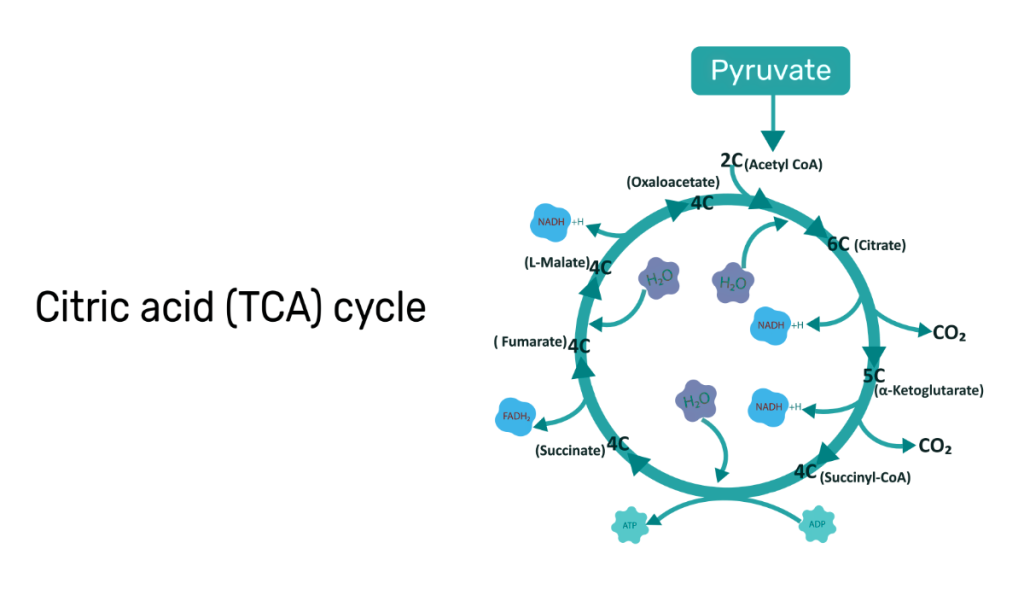
Once formed, pyruvate acts as a crucial bridge, entering mitochondria (the cell’s powerhouse). Here, pyruvate is converted to acetyl-CoA, a central step in metabolism, which fuels the citric acid cycle and leads to the production of ATP, the energy currency of life. Without pyruvate, cells simply wouldn’t have the energy they need to function properly.
This conversion is the core of pyruvate metabolism and links glycolysis to the citric acid (TCA) cycle and oxidative phosphorylation.

Beyond Energy: Pyruvate’s Role in Biosynthesis and Antioxidant Defense
But pyruvate is more than just a fuel source. It’s involved in multiple key pathways, including gluconeogenesis where phosphoenolpyruvate serves as a critical intermediate, helping balance energy production with biosynthetic processes. Pyruvate also serves as a powerful antioxidant, helping protect cells from damage caused by harmful reactive oxygen species.
Pyruvate in Health and Disease
Abnormal levels or dysfunction in pyruvate metabolism are linked to serious diseases, including heart conditions, neurodegeneration, and diabetes-related complications. For instance, in cardiovascular diseases, disruptions in the pyruvate to acetyl-CoA conversion can contribute to heart failure and other issues.
Sodium Pyruvate: Research and Cell Culture Applications
It appears that supplementing with sodium pyruvate might help protect against diseases. In glaucoma, for example, studies in mice show that sodium pyruvate helps maintain eye health and prevent damage, even in cases with strong genetic risk. Clinical trials in humans are also underway, exploring pyruvate’s potential to support visual function. Sodium pyruvate is also commonly used in cell culture applications, where it supports cellular energy metabolism and helps maintain optimal cell growth conditions. This molecule’s role as both a metabolic powerhouse and protective agent opens up promising new avenues for treatments. [1]
Pyruvate and Metabolomics
So, pyruvate is a metabolic hero supporting life’s essential processes and offering hope for new therapies in some of the most challenging diseases.
Arome Science offers targeted and semi-targeted metabolomics analysis including measuring pyruvate for research and clinical applications.
